The Allure of Casino Superstitions Beyond GamStop
Many players seek alternative gambling experiences, especially those looking for platforms not affiliated with GamStop. These UK casinos not on GamStop often attract players by promising a more open and less restrictive environment. Within these varied gaming landscapes, the enduring power of casino superstitions continues to captivate players, adding a layer of mystique to the thrill of the game. Whether it’s a lucky charm, a specific ritual, or a belief in certain numbers, superstitions play a significant role in how many approach their betting sessions, even on these newer, independent platforms, and many are actively searching for a non gamstop casino uk.
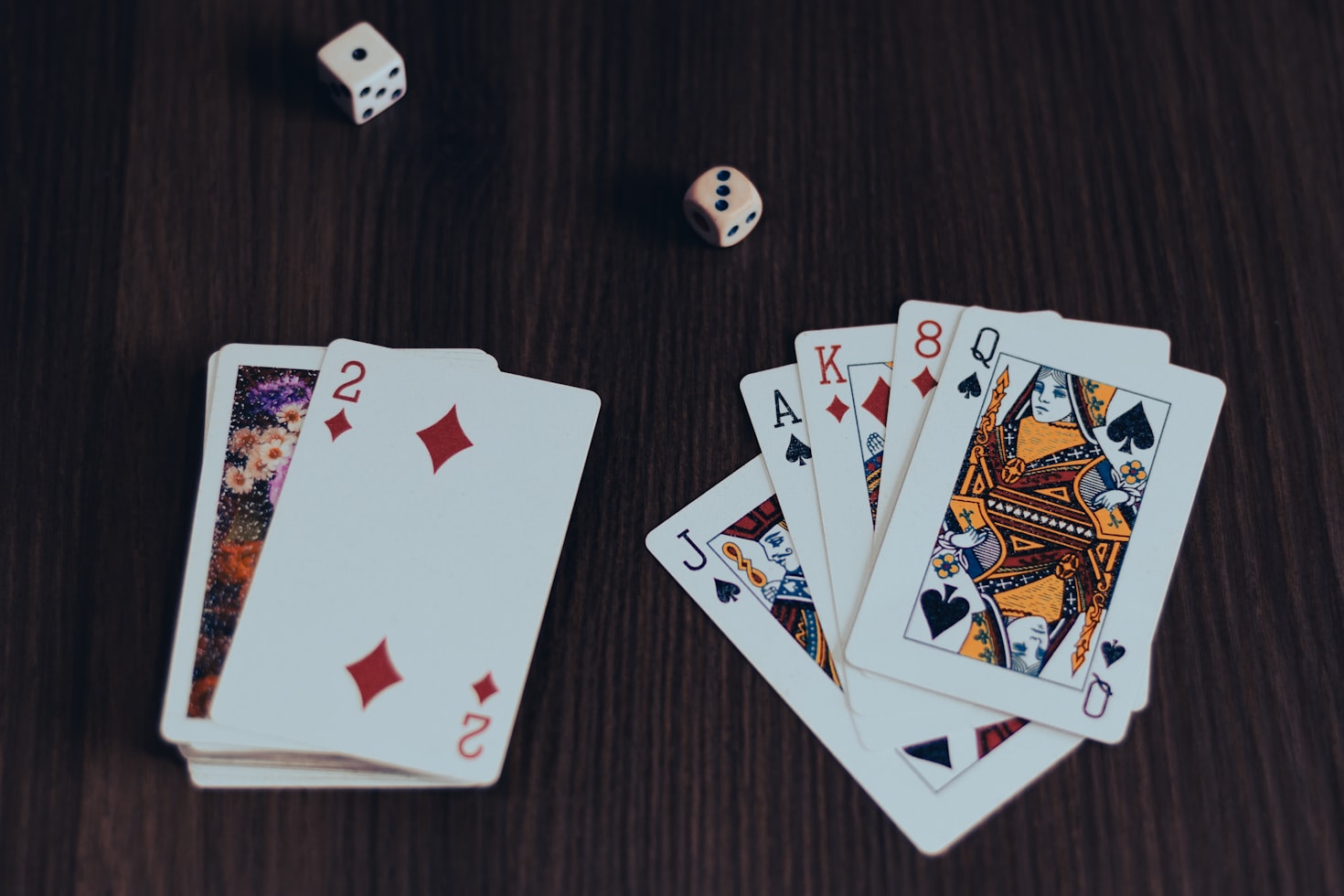
The appeal of superstitions in casinos, particularly those operating outside of GamStop’s framework, lies in their ability to provide a sense of control and enhance the psychological engagement with the games. For players exploring new sites, these beliefs can transform a standard gaming session into a more personal and exciting journey, offering comfort and a touch of magic amidst the spins and card deals. This psychological comfort is a key reason why many players continue to engage with these traditions, even when exploring the broader, less regulated online casino market.
Navigating Luck and Probability with Superstitions
Casino superstitions, from avoiding black cats to always wearing a favourite colour, are deeply ingrained in the gambling culture. These beliefs often stem from a desire to influence luck, a fundamental element in games of chance. For players engaging with UK casinos not on GamStop, these superstitions can be a way to personalise their experience and create a unique ritual around their gameplay. While probability dictates the outcomes, the human element craves a narrative, and superstitions provide that story, linking personal actions to desired results.
The psychological impact of superstitions is undeniable. Believing in a lucky charm or a specific betting pattern can boost a player’s confidence, leading to more relaxed and potentially more enjoyable gameplay. This confidence can, in turn, influence decision-making, though it’s crucial to remember that these beliefs do not alter the underlying mathematical probabilities of the games. When exploring new casinos not on GamStop, players might find themselves relying more heavily on these ingrained habits to anchor their experience.
The Risks Associated with Overreliance on Superstitions
While superstitions can add a fun and engaging element to gambling, an overreliance on them can pose significant risks. Players might attribute wins solely to their lucky rituals, ignoring the role of chance, and conversely, blame bad luck on minor deviations from their superstitious practices. This can lead to distorted perceptions of control and a failure to adopt responsible gambling strategies, especially when venturing into newer platforms like casinos not on GamStop, where the regulatory oversight may differ.
The danger lies in the potential for superstitions to mask or even exacerbate problem gambling behaviours. If a player believes a superstition will guarantee a win, they might be tempted to chase losses or bet more than they can afford, convinced their ritual will eventually turn the tide. This misinterpretation of luck and probability can be particularly insidious on platforms offering a wide array of games and bonuses, such as many UK casinos not on GamStop, potentially leading to financial strain and a decline in sound decision-making.
Superstitious Play and the Unrestricted Casino Environment
The environment of UK casinos not on GamStop often appeals to players seeking a more “free” gambling experience. In this context, superstitions can become even more prominent as players feel less bound by the structured approach that GamStop might impose. They might feel more inclined to embrace their lucky numbers, colours, or even specific seating arrangements at virtual tables, believing these elements will tip the scales in their favour within this less restricted space. The excitement of discovering new games and features on these platforms can be amplified by personal lucky charms and routines.
However, the lack of GamStop’s self-exclusion framework means players need to be even more vigilant about their own behaviour. Relying on superstitions without a solid understanding of responsible gambling can be a precarious path. While many platforms not on GamStop offer robust responsible gambling tools, the perceived freedom might encourage some to lean more on luck-based beliefs rather than on measured, strategic play, potentially increasing the risks associated with their gambling sessions.
Exploring New Horizons: Superstitions at a Prominent UK Casino Not on GamStop
For players looking for exciting alternatives, discovering new UK casinos not listed on GamStop offers a refreshed gaming perspective. These platforms are designed to provide a flexible and private gambling experience, moving beyond the restrictions of GamStop. Many players exploring these sites often bring their personal superstitions with them, hoping to imbue their sessions with an extra layer of luck as they try out diverse game selections and generous bonuses. The thrill of a new online casino, coupled with a favourite lucky charm, can create a uniquely stimulating atmosphere.
When you explore the offerings at leading UK casinos not on GamStop, you’ll find a vast array of slots, table games, and live dealer options. It’s within these vibrant gaming environments that superstitions can truly come alive for many players. Whether it’s a belief in hitting a certain number of spins before a big win or a ritual before placing a bet at a live roulette table, these traditions add a personal touch. These platforms aim to enhance the player experience by offering a wide range of games that cater to different preferences, allowing for both strategic play and the comforting embrace of personal superstitions.